
What Is the Energy Price Cap?
The energy price cap is Ofgem’s regulatory mechanism designed to protect millions of UK households from excessive energy bills. Set quarterly, it determines the maximum amount energy suppliers can charge for gas and electricity on standard variable rate tariffs. In 2026, understanding how this cap works has never been more important for your household budget.
Essentially, the cap acts as a safety net. Rather than suppliers being able to charge whatever they wish, there’s a legal ceiling on unit rates for gas and electricity, standing charges, and other fees. This doesn’t mean everyone pays the same amount—your actual bill depends on your consumption—but it does mean suppliers cannot overcharge you beyond this threshold.
How the Price Cap Changes Throughout 2026
The price cap isn’t fixed annually; it updates every three months on 1 January, 1 April, 1 July, and 1 October. This means your bills could change four times in 2026 alone. Ofgem adjusts these figures based on wholesale energy costs, network charges, and other market factors.
In early 2026, the cap will reflect market conditions from late 2025. Spring and summer typically see slightly lower energy demands, which sometimes translates to lower unit rates. However, energy prices remain volatile, influenced by global events, weather patterns, and seasonal demands. The autumn and winter months usually see increases due to higher heating demands.
To stay informed about upcoming price cap changes, visit Ofgem’s official website regularly. They publish the new rates several weeks before implementation, giving you time to plan your finances accordingly.
Understanding Your 2026 Energy Costs
The typical dual fuel household in Great Britain currently spends around £1,700 annually on energy bills. While the exact 2026 figures aren’t yet confirmed, historical trends suggest continued volatility. The price cap helps prevent the extreme increases seen during the 2021-2023 energy crisis, but prices won’t necessarily drop significantly.
Your actual bill depends on three main factors. First, the unit rates for gas and electricity set by the price cap. Second, standing charges—the fixed daily fee simply for being connected to the grid. Third, your own consumption based on how much energy you actually use.
A household in Scotland might pay differently from one in the South East due to regional network charges. Similarly, a family working from home will consume more electricity than a household where everyone’s at the office during daylight hours.
Fixed Tariffs vs. the Price Cap
It’s worth noting that fixed-rate tariffs aren’t directly affected by the price cap. If you’ve locked into a fixed deal, your rates remain stable regardless of price cap changes. However, once that fixed period ends, you’ll return to a standard variable rate subject to the price cap—unless you secure another fixed deal first.
In 2026, fixed tariffs may become more or less attractive depending on market predictions. If suppliers anticipate rising wholesale costs, fixed rates might be higher. Conversely, if they expect prices to fall, fixes become pricier relative to variable rates. Always compare both options before your current deal expires.
Practical Steps to Reduce Your Bills in 2026
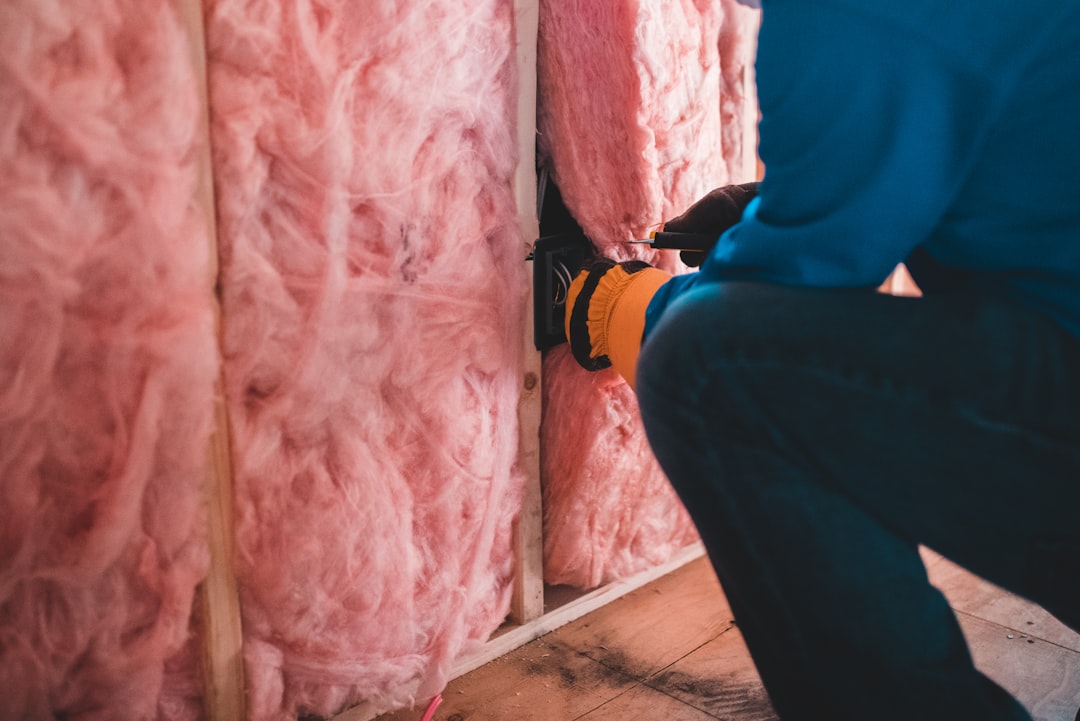
While the price cap limits what suppliers can charge, you can still actively reduce your energy spending. Start by improving your home’s energy efficiency. Loft insulation, draught-proofing around doors and windows, and cavity wall insulation are highly effective investments with long payback periods. Many households recoup insulation costs within five to ten years through lower bills.
Switch off standby appliances using a socket with a physical switch. Standby power accounts for roughly 8% of typical household electricity consumption. Kettles, phone chargers, and gaming consoles left plugged in drain money unnecessarily.
Heating accounts for about 60% of energy bills for most households. Lowering your thermostat by just one degree Celsius can reduce heating costs by approximately 10%. Wearing warmer clothing indoors, using thermostatic radiator valves, and ensuring your boiler is serviced annually also help significantly.
Consider installing a smart meter if you haven’t already. Smart meters provide real-time consumption data, helping you identify where energy is being wasted. Many suppliers offer free smart meter installation—check your provider’s current offers.
Shopping Around for Better Deals
Even with the price cap in place, significant savings await those willing to switch suppliers. Throughout 2026, different suppliers will offer various deals and bundles. Use comparison websites like Uswitch, Comparethemarket, or Energyhelpline to see what’s available in your postcode.
Switching is usually straightforward and takes about three weeks. Your current supplier must provide a final bill, and there are no early exit fees if you’re on a variable tariff at the end of your contract. Dual fuel discounts—paying for gas and electricity with the same supplier—can reduce your bills by 2-3% compared to split accounts.
Some suppliers offer loyalty bonuses or cashback incentives. However, don’t automatically stay with your current provider out of habit. Many suppliers rely on customer inertia, keeping prices higher than necessary. Switching at least every two to three years typically saves £100-£300 annually.
Government Support and Bill Assistance
The UK government provides various support schemes. Winter Fuel Allowance helps older and disabled people with heating costs. If you’re struggling to pay bills, contact your supplier immediately—they’re obligated to work with you toward a payment arrangement. Energy bill support schemes may also be available depending on your circumstances and location.
Keep receipts for any payments and maintain records of correspondence with your supplier. If you believe you’re being charged unfairly, Ofgem’s Consumer Complaints process is free and impartial.
Planning Ahead for 2026
As we approach 2026, make energy efficiency improvements now. If fixed-rate tariffs become attractive during the year, consider locking in a deal. Set calendar reminders for price cap change dates so you’re not caught unaware by bill increases.
Review your energy consumption quarterly alongside price cap updates. This habit helps you spot unusual spikes suggesting potential faults or wastage. Addressing problems quickly prevents them becoming costly.
Take Action Today
Don’t wait passively for 2026. Start reducing your energy bills now by improving efficiency, comparing tariffs, and developing conscious consumption habits. Visit Ofgem’s website to understand your rights and current price cap details. Use comparison tools to find better deals, and remember that switching suppliers is quick, free, and often saves hundreds of pounds annually. Your future self will thank you for taking control of your energy costs today.

0 Comments