
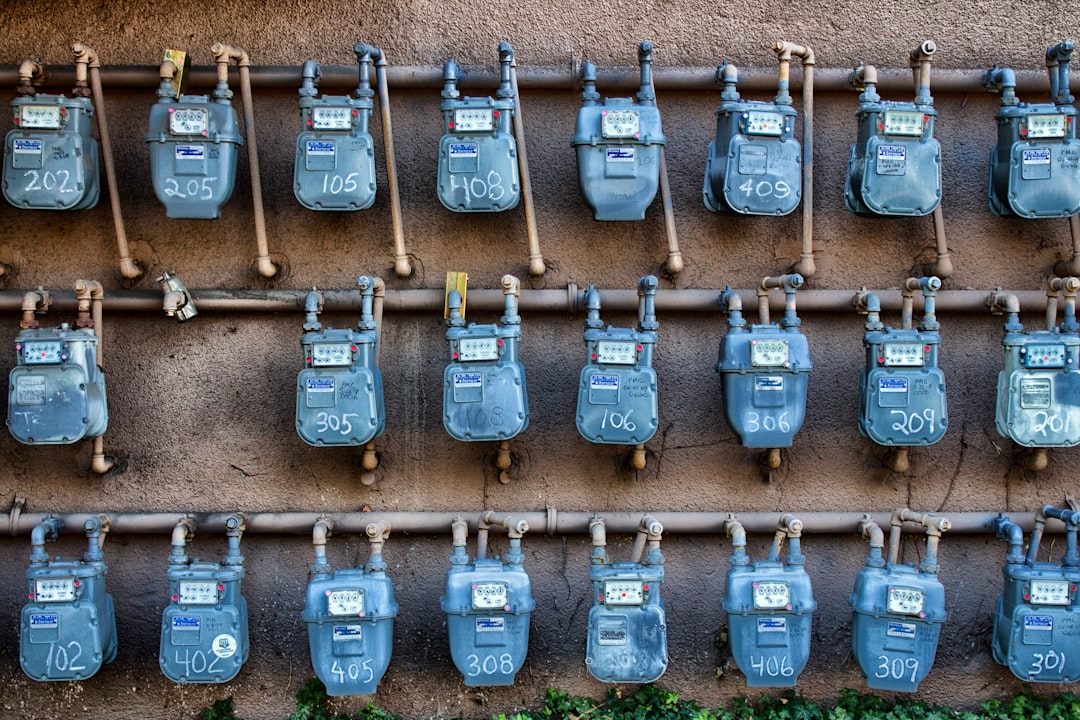
What Is a Prepayment Meter?
A prepayment meter is a type of energy meter that requires you to pay for your electricity or gas before you use it. Rather than receiving a monthly bill, you top up your meter using a key, card, or mobile app, and your credit depletes as you consume energy. Millions of UK households use prepayment meters, though many do so out of necessity rather than choice.
Prepayment meters were originally designed to help people manage their energy budgets and avoid debt. However, they’ve become increasingly controversial because they often charge significantly higher rates than standard meters. Ofgem, the UK’s energy regulator, has raised concerns about the fairness of prepayment charges, particularly for vulnerable customers.
How Do Prepayment Meters Actually Work?
Understanding the mechanics of your prepayment meter is the first step towards managing your energy costs effectively. When you top up your meter—whether through a physical key at a shop, a PayPoint card, or via a mobile app—you’re essentially buying energy credit in advance. This credit is then deducted as you use electricity or gas.
Most prepayment meters have a daily standing charge that’s deducted automatically. This means even if you’re not actively using energy, money is leaving your account. Additionally, many suppliers charge a premium on the unit rate for prepayment customers, meaning you pay more per kilowatt-hour than customers with standard meters on the same tariff.
The meter itself typically displays your remaining credit, though some older models are less user-friendly. Modern smart prepayment meters allow you to monitor your usage in real-time and top up remotely, which provides better transparency and control over your spending.
Why Are Prepayment Meters More Expensive?
Prepayment customers often pay between 10-20% more for their energy compared to standard meter customers on identical tariffs. There are several reasons for this price difference:
- Higher operating costs: Maintaining the prepayment infrastructure, including top-up terminals and customer support, costs suppliers more money
- Payment risk: Suppliers face less financial risk with prepayment because they’re paid upfront, but they pass on administrative costs to users
- Debt prevention: The system is designed to prevent customers from falling into arrears, but this comes at a premium
- Limited competition: Some prepayment customers have fewer switching options available to them
Who Uses Prepayment Meters?
While anyone can choose a prepayment meter, they’re disproportionately used by vulnerable groups, including those with poor credit history, low income households, and elderly customers. Some people are forced onto prepayment meters after falling behind on payments, a practice that’s become increasingly scrutinised.
If you’re on a prepayment meter because you’ve been in energy debt, you may have the right to appeal the decision or seek support. Contact your supplier directly to understand your options and discuss whether switching to a standard meter is possible.
How to Switch Away From a Prepayment Meter
The good news is that leaving a prepayment meter is usually straightforward. Here’s what you need to do:
Step 1: Check Your Eligibility Not everyone can immediately switch from a prepayment meter, particularly if you’ve recently been disconnected for non-payment or owe energy debt. Contact your current supplier to check whether you’re eligible to switch to a standard meter.
Step 2: Contact Your Supplier Ring your energy company and request to switch from a prepayment to a standard meter. Most suppliers will arrange an engineer visit to install the new meter at no charge. This is your legal right under Ofgem regulations, though suppliers have the discretion to refuse in certain circumstances.
Step 3: Prepare for the Engineer Visit The engineer will need access to your meter box, which is typically located under the stairs, in a cupboard, or outside your property. Make sure the area is accessible and clear of obstructions. The installation usually takes 30 minutes to an hour.
Step 4: Settle Your Prepayment Account Before switching, you’ll need to clear any remaining balance on your prepayment meter. Use any remaining credit towards your final balance, and your supplier will either refund any overpayment or charge you if you’re in deficit.
What If Your Supplier Refuses?
If your supplier refuses to switch you from a prepayment meter, you can complain to Ofgem. The regulator has stated that prepayment customers in vulnerable situations should have reasonable access to switching. You might have stronger grounds for a complaint if you:
- Have a disability or health condition affected by prepayment meter restrictions
- Are elderly and struggling with the technology
- Have successfully managed payments for a sustained period
- Live in an area where a standard meter is technically feasible
Switching Suppliers While on Prepayment
You can switch energy suppliers whilst using a prepayment meter. The switching process is the same as for standard meter customers and takes around 21 days. However, you may find fewer competitive deals available as a prepayment customer. When comparing tariffs, always check whether you can get a better rate elsewhere—even with the prepayment premium, some suppliers offer better value than others.
Tips for Managing Prepayment Costs
If you’re currently on a prepayment meter and can’t immediately switch, focus on reducing your energy consumption to lower your costs:
- Use your meter’s display to monitor real-time usage
- Identify energy-hungry appliances and reduce their use
- Improve your home’s insulation and draught-proof windows and doors
- Use the Priority Services Register if you’re vulnerable, which may grant you additional protections
- Check whether you qualify for energy bill support schemes
Final Thoughts
Prepayment meters can feel like an unfair system, particularly when you’re paying premium rates for your energy. However, switching to a standard meter is achievable for most people. Start by contacting your supplier today to check your eligibility. If you face resistance, don’t accept it without question—Ofgem exists to protect your rights as a consumer. You deserve fair energy rates and access to the same meter options as other UK households. Take action now to move away from prepayment and start saving on your energy bills.

0 Comments