
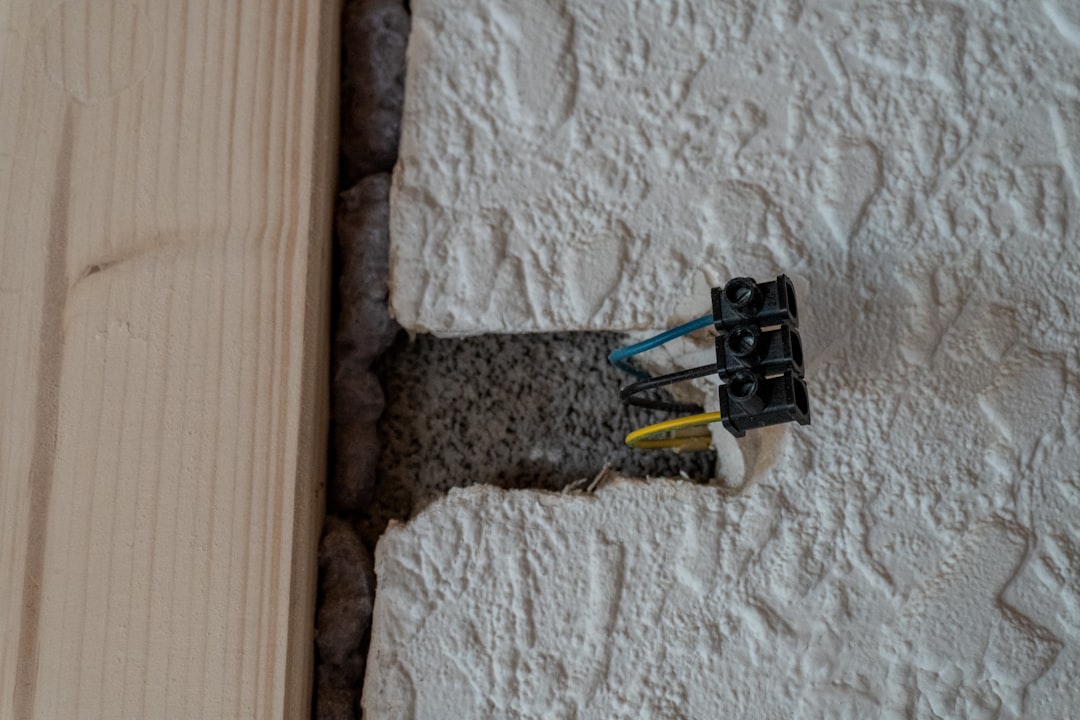
Understanding Cavity Wall Insulation
Cavity wall insulation has long been promoted as one of the quickest ways to reduce your energy bills in the UK. The concept is straightforward: filling the gap between your home’s inner and outer brick walls with insulating material prevents heat from escaping, potentially saving you hundreds of pounds annually on heating costs.
The Government has actively encouraged cavity wall insulation through various grants and schemes over the past two decades. Many homeowners have taken advantage, installing insulation expecting significant energy savings and warmer homes. However, the reality isn’t always so positive. When things go wrong with cavity wall insulation, the consequences can be far more expensive than any energy bill savings.
The Main Problem: Moisture and Damp
The biggest issue with cavity wall insulation is moisture penetration. The cavity between your walls exists for a reason—it allows air circulation and helps moisture escape. When you fill it with insulation material, you fundamentally change how your walls manage moisture.
If water gets into the outer brick leaf through cracks, deteriorating mortar, or poor external maintenance, it has nowhere to go. Instead of drying out through the cavity, it sits against your insulation and seeps into your inner walls. This leads to:
- Rising damp problems, particularly in older properties
- Mould growth on internal walls and ceilings
- Wet patches and staining on plasterwork
- Deterioration of timber frames and floor joists
- Unpleasant musty smells throughout affected rooms
Once damp takes hold, remedial treatment can cost £5,000 to £15,000 or more—far exceeding any energy savings you’ve made.
Which Properties Are Most at Risk?
Not all homes face equal risk with cavity wall insulation. Your property’s vulnerability depends on several factors:
Age and construction: Properties built before 1980 are particularly vulnerable. Older brickwork and mortar are more porous and prone to water ingress. Victorian and Edwardian terraced houses are especially problematic, as their construction methods didn’t account for modern insulation materials.
Exposure: Homes on exposed, windy sites or facing prevailing weather are at greater risk. North-facing walls and those exposed to driving rain absorb more water.
Existing damp: If your property already shows signs of damp or has previously experienced moisture issues, cavity wall insulation could exacerbate problems significantly.
Maintenance condition: Properties with poor brickwork, crumbling mortar, or missing pointing are poor candidates. Water will infiltrate more easily, and the insulation will trap it inside.
Installation Quality Matters Enormously
Even suitable properties can develop problems if the installation is substandard. Poor workmanship is a common factor in failed cavity wall insulation installations.
Common installation issues include:
- Inadequate cavity barriers at window and door openings
- Uneven material distribution leaving air gaps and cold bridges
- Failure to properly seal pipes and cables passing through walls
- Rushing the installation without proper site assessment
- Using unsuitable materials for the specific property type
Always insist on a full survey before installation and choose installers registered with FENSA or equivalent certifying bodies. Cheap quotes often reflect cheap workmanship.
Signs Your Installation Might Be Going Wrong
If you’ve already had cavity wall insulation installed, watch for these warning signs:
- Visible damp patches appearing within months of installation
- Mould spots developing on internal walls or ceiling corners
- Cold, damp patches near external walls in winter
- Musty odours in previously dry rooms
- Wallpaper peeling or lifting for no apparent reason
- Paint bubbling or flaking on exterior walls
- Visible cracks in mortar pointing or brickwork
If you notice any of these signs, contact your installer immediately and consider arranging a damp survey from an independent surveyor.
How to Protect Yourself Before Installation
If you’re considering cavity wall insulation, follow these steps:
Get a proper survey: Don’t rely on installer assessments alone. Hire an independent surveyor to assess whether your property is genuinely suitable. This typically costs £200-400 but can prevent thousands in remedial costs.
Check your brickwork: Have any cracks, missing pointing, or deteriorating mortar repaired before installation. Good external maintenance is essential.
Verify installer credentials: Check they’re registered with the Cavity Insulation Guarantee Agency (CIGA) or equivalent. This provides guarantees for workmanship and materials.
Get everything in writing: Insist on a detailed survey report, written quotes specifying materials and methods, and guarantees.
Consider your property type: If you have a pre-1920s solid wall property, a period home with original features, or a property in a particularly damp climate, cavity wall insulation may not be worth the risk. Look at loft insulation or other alternatives instead.
Better Alternatives to Consider
Before committing to cavity wall insulation, explore other energy-saving measures that carry less risk:
- Loft insulation: Safer, proven, often eligible for government grants
- External wall insulation: More expensive but better controls moisture
- Draught-proofing: Low cost, immediate improvements
- Thermostatic radiator valves: Help you control heating efficiently
- Hot water cylinder insulation: Reduces heat loss from stored water
Combining several smaller improvements often provides better overall results than relying on cavity wall insulation alone.
Final Thoughts
Cavity wall insulation can work well in suitable properties when installed correctly. However, it carries genuine risks that many homeowners don’t fully appreciate. The potential for expensive damp problems makes careful assessment essential before proceeding.
Don’t let aggressive sales tactics push you into a decision. Independent advice is worth its weight in gold when it prevents a £10,000 damp remediation bill.
If you’re exploring cavity wall insulation, consult with an independent surveyor familiar with your property type. Compare energy savings against installation costs and risks realistically. Most importantly, ensure any installer carries proper credentials and provides comprehensive guarantees.
Your home is your biggest investment—protect it properly. If you’d like personalized advice on the best energy-saving measures for your specific property, consider consulting a qualified surveyor or energy efficiency expert before making any decisions about cavity wall insulation.


0 Comments