

Understanding the Warm Homes Plan
The Warm Homes Plan represents a significant government initiative designed to help UK households reduce their energy consumption and lower heating bills. Launched to address energy affordability and fuel poverty, this scheme offers practical support for improving home insulation and heating systems. For many households struggling with rising energy costs, understanding what this plan offers could make a meaningful difference to both your comfort and your wallet.
The scheme focuses on making homes more energy efficient through targeted improvements. Rather than offering cash handouts, the government provides grants and support for specific energy-saving measures. This approach helps ensure funds are used effectively to deliver long-term savings on energy bills rather than temporary relief.
Who Qualifies for Support
Eligibility for the Warm Homes Plan varies depending on your circumstances. The scheme prioritises households most in need, including those receiving certain means-tested benefits, pensioners, and families with young children. However, the specific criteria can change, so it’s worth checking the official eligibility requirements on the government’s website or through your local council.
Generally, you’ll need to:
- Own your home or have written consent from your landlord to make improvements
- Live in England or your respective UK nation (Scotland, Wales, and Northern Ireland have separate schemes)
- Meet income thresholds or other qualifying criteria
- Have a property with adequate space for recommended improvements
Renters should note that landlord consent is typically required, though some schemes offer direct support to landlords. It’s worth discussing potential improvements with your landlord, as better insulation benefits both parties through reduced energy usage.
Key Improvements Covered by the Plan
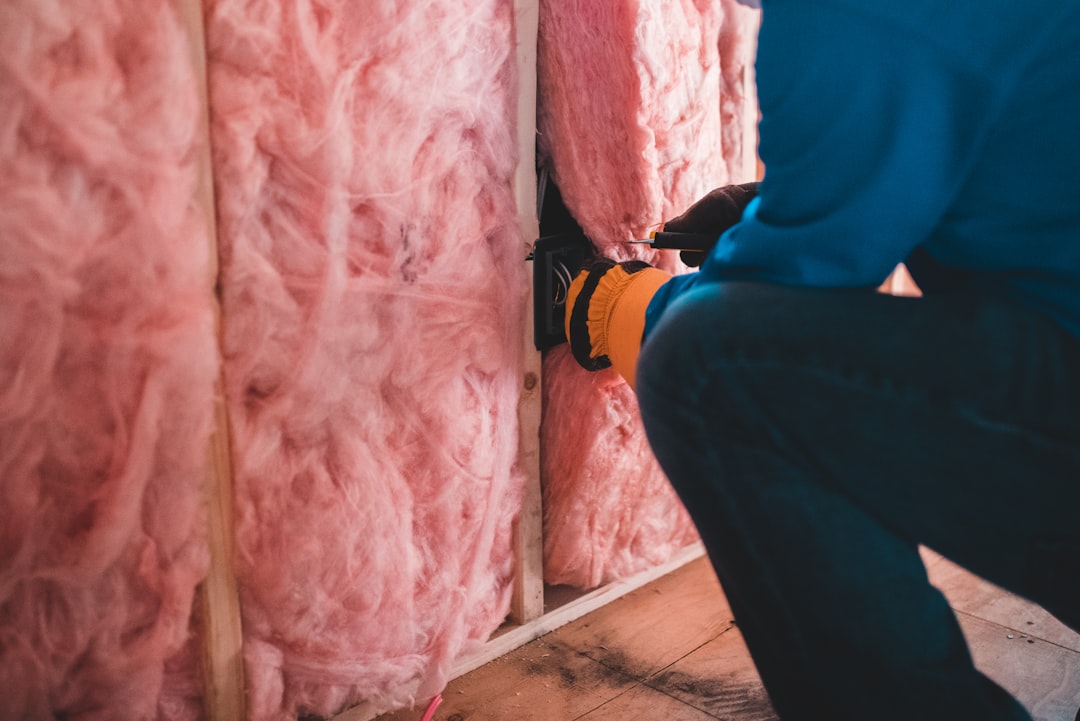
The Warm Homes Plan supports several types of energy-saving improvements. Loft insulation is frequently covered, as heat loss through roofs can account for up to 25% of energy waste in poorly insulated homes. Wall insulation—whether cavity wall or solid wall—is another common focus area. These measures can significantly reduce heating requirements and lower your annual energy bills.
Heating system improvements may also be supported, particularly for households with inefficient boilers. Modern condensing boilers are substantially more efficient than older models, often saving households £100-£300 annually. Replacing an old boiler with an energy-efficient model can be transformative for your energy consumption.
Some schemes also cover:
- Draught-proofing and secondary glazing
- Pipework insulation
- Heating controls and thermostats
- Renewable energy technologies like heat pumps
Each improvement works together to create a warmer, more efficient home that requires less energy to heat, directly reducing your bills.
Financial Benefits and Savings
The financial impact of the Warm Homes Plan can be substantial. A household receiving cavity wall insulation and loft insulation might save £100-£150 annually on energy bills. Add a new boiler, and savings could reach £300-£500 per year, depending on your previous heating system and energy tariff.
These aren’t one-off savings either. Once improvements are installed, they continue delivering savings year after year. A boiler upgrade typically lasts 15-20 years, meaning potential savings of £4,500-£10,000 over its lifetime. This is why investing in energy efficiency through schemes like the Warm Homes Plan offers genuine long-term value.
It’s worth noting that actual savings depend on your current energy tariff. While you’re making your home more efficient, also check whether you’re on the best energy deal available. Switching suppliers could save an additional £100-£300 annually, complementing the benefits of home improvements.
How to Apply and Get Started
The application process typically begins with contacting your local council or an accredited installer. Many councils have dedicated teams managing Warm Homes Plan applications. You’ll need to provide details about your property, your circumstances, and your energy usage.
An energy assessor will usually visit your home to identify priority improvements. This assessment is typically free for eligible households and helps determine which measures would deliver the most benefit for your situation. The assessor considers factors like insulation levels, heating system age, and property construction type.
Once approved, installation is arranged through accredited contractors. The government ensures all work meets quality standards, and installations typically come with guarantees. The entire process—from application to completion—usually takes several weeks to a few months, depending on local capacity.
Complementary Steps to Maximise Savings
While waiting for or undergoing improvements through the Warm Homes Plan, take other steps to reduce energy consumption. Simple behaviours like turning off radiators in unused rooms, using thermostats effectively, and bleeding radiators can deliver immediate savings with no cost.
Check whether you’re paying competitive rates for energy. Ofgem sets the energy price cap, but rates still vary between suppliers. Switching from an expensive supplier to a competitive one could save £200-£300 annually. Use comparison websites to check current deals—most switches take just a few weeks and involve no disruption.
Consider installing a smart meter if you haven’t already. These devices provide real-time information about your energy usage, helping you identify where you’re consuming most energy. Understanding your consumption patterns makes it easier to reduce unnecessary usage.
Regional Variations and Support
England’s Warm Homes Plan operates alongside similar schemes in Scotland, Wales, and Northern Ireland. Each nation offers support tailored to their specific housing stock and climate needs. If you live outside England, research your local scheme for specific details, eligibility criteria, and available improvements.
Some local authorities also offer additional support on top of national schemes. Grants, loans, or matchfunding might be available in your area, so it’s worth contacting your council to explore all available options.
Final Thoughts
The Warm Homes Plan offers genuine opportunities for UK households to improve energy efficiency and reduce bills. If you’re eligible, the long-term financial benefits and increased comfort make applying worthwhile. Combined with smart energy shopping and behavioural changes, you can significantly reduce energy costs and create a warmer, more comfortable home.
Don’t delay—contact your local council today to enquire about eligibility and begin the application process. Every month you wait is a month of higher energy bills you could have avoided.

0 Comments