

Why Spring Is the Best Time to Review Your Energy Bills
As the weather warms up and heating demands drop, spring is one of the best times to take stock of your energy usage and switch to a better deal. Energy prices in the UK continue to fluctuate, and many households are still paying more than they need to on outdated tariffs.
With the energy price cap reviewed quarterly by Ofgem, the rates you pay can change significantly. Taking action now could save you hundreds of pounds over the coming year.
Step 1: Compare Energy Tariffs
The single most effective way to cut your energy bills is to compare what’s available on the market. Many UK households are stuck on standard variable tariffs — which are almost always more expensive than fixed deals.
- Use a comparison site to check deals available in your area
- Look for fixed-rate tariffs that lock in a lower unit rate
- Check if you qualify for any green energy tariffs with competitive rates
- Consider dual-fuel deals (gas and electricity from one supplier) for extra savings
Switching energy suppliers is easier than most people think. The process typically takes around three weeks and your supply is never interrupted.
Step 2: Get a Smart Meter Installed
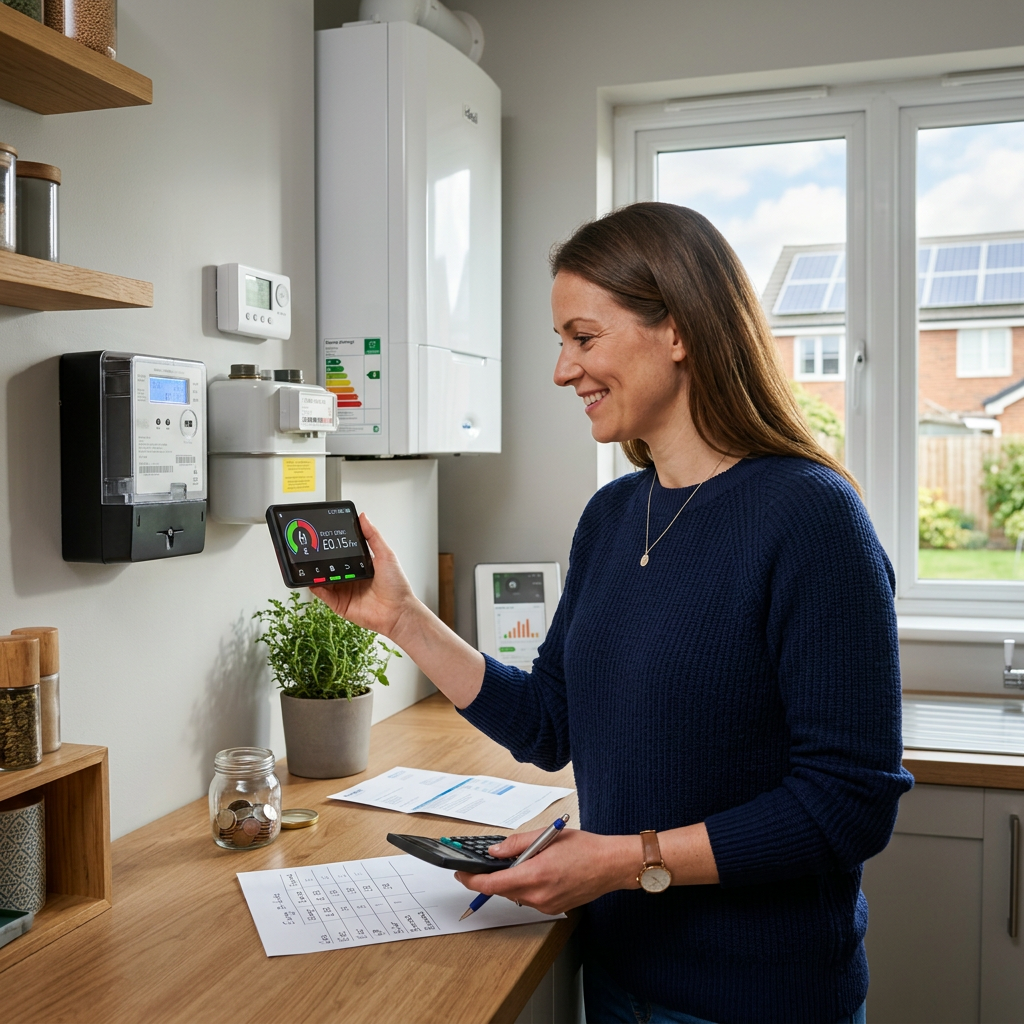
If you don’t already have a smart meter, request one from your supplier — they’re free to install. Smart meters give you real-time data on your energy usage, helping you spot where you’re wasting money.
Studies show that households with smart meters reduce their energy consumption by an average of 3-5% simply by becoming more aware of their usage. Over a year, that can add up to a meaningful saving.
Step 3: Reduce Standby and Phantom Power
Devices left on standby across the average UK home cost around £55 per year — that’s money going nowhere. In spring and summer, it’s particularly easy to forget about these small drains because your heating bills are lower and you’re less focused on energy costs.
- Use smart plugs with timers to cut off devices at night
- Switch off TVs, gaming consoles and monitors at the wall
- Unplug phone and laptop chargers when not in use
- Replace old appliances with A-rated energy-efficient models
Step 4: Improve Your Home’s Insulation
Even in spring and summer, poor insulation costs you money. Heat gained through uninsulated walls and roofs means your home heats up faster in warm weather — and then you end up using fans or air conditioning to cool it down again.
The UK government offers grants through the Great British Insulation Scheme for eligible households. Loft insulation, cavity wall insulation and draught-proofing are among the most cost-effective improvements you can make.
Step 5: Review Your Direct Debit Payments
Many UK households are overpaying their energy direct debits — sometimes by hundreds of pounds — meaning they’re essentially giving their supplier an interest-free loan. Check your account balance with your supplier and request a refund or reduction if you’re significantly in credit.
At the same time, if you’re in debit, it’s worth contacting your supplier to agree a realistic repayment plan before debt builds up.
Step 6: Take Advantage of Off-Peak Tariffs
If you have a smart meter, you may be eligible for time-of-use tariffs that charge less for electricity used at off-peak times — typically overnight between 11pm and 7am. These tariffs work particularly well if you:
- Charge an electric vehicle overnight
- Run your dishwasher or washing machine on a timer
- Have a home battery storage system
How Much Could You Actually Save?
According to Ofgem data, the average UK dual-fuel household currently pays around £1,568 per year under the price cap. By switching to a competitive fixed tariff and making the energy efficiency improvements outlined above, many households can realistically reduce this by £200–£500 per year.
The key is not to be passive. Energy suppliers rely on customer inertia — the longer you stay on a standard tariff without reviewing, the more you pay.
Start Comparing Today
Don’t wait for your next bill to take action. Use an energy comparison tool to see what deals are available right now and start saving straight away. Switching is free, takes minutes to arrange, and could put hundreds of pounds back in your pocket this year.
0 Comments