
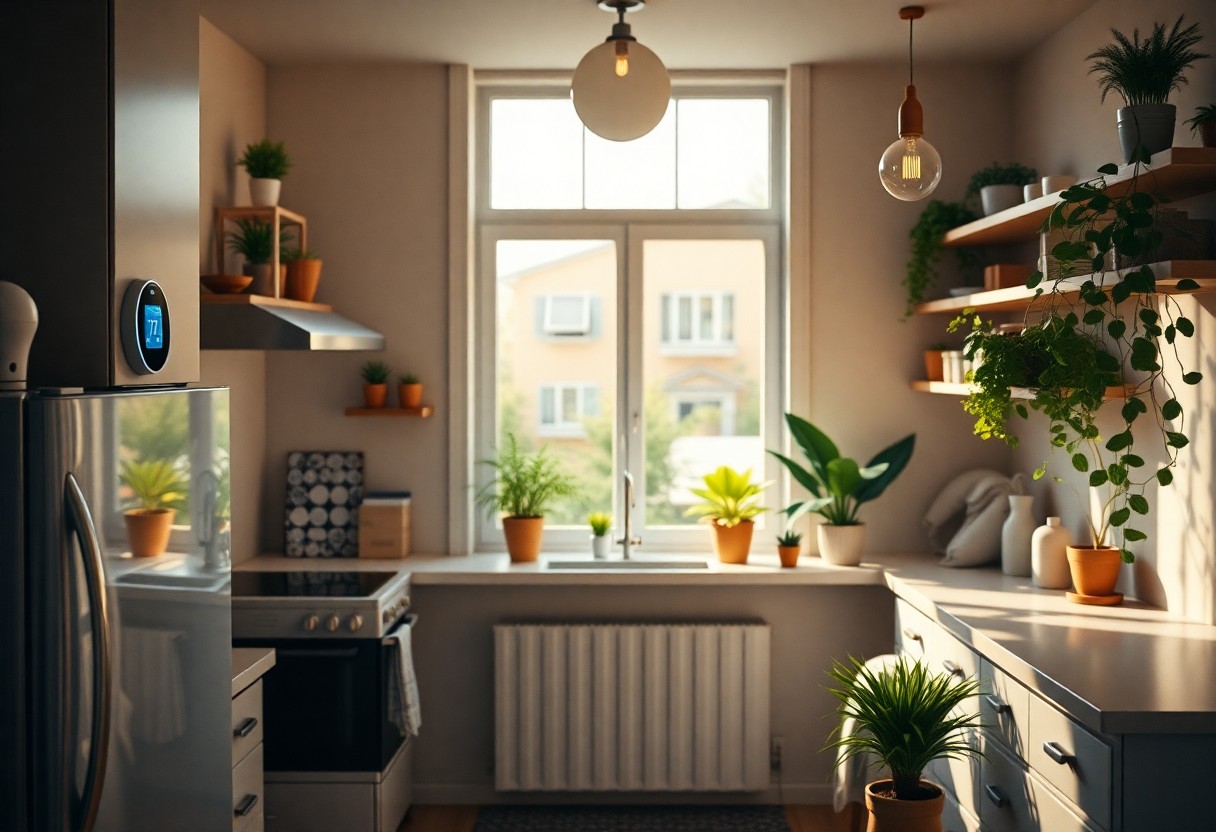
You have the power to significantly reduce your energy bills while making your home more environmentally friendly. By implementing these 10 budget-friendly energy hacks, you can optimise your energy consumption without sacrificing comfort. Each tip is designed to help you save money and create a more sustainable lifestyle, ensuring that your household expenses remain manageable. Get ready to explore practical strategies that will keep your bills in check and benefit your wallet.
Unplug Devices When Not In Use
To keep your energy bills in check, it’s crucial to unplug devices when they’re not in use. Many electronics consume energy even when turned off, draining your resources unnecessarily. By making it a habit to unplug chargers, kitchen appliances, and gadgets when they’re idle, you can contribute to significant savings over time while also prolonging the life of your devices. If you want to find the cheapest utility provider, it only takes a few minutes.
Save Electricity Daily
There’s a simple yet effective way to reduce your electricity consumption daily: unplugging devices that aren’t actively being used. This not only aids in lowering your bills but also ensures you are practising sustainable energy use within your home.
Prevent Phantom Energy Loss
Loss of energy can occur when devices are plugged in but not in use, known as phantom or vampire energy loss. This hidden cost can accumulate quickly if you neglect to unplug your electronics. You can also compare utility providers to see what’s available.
Prevent phantom energy loss by being proactive. Identify which devices in your home are constantly drawing power, such as television sets, computers, and kitchen appliances. Utilising smart power strips can help control multiple devices at once, cutting off power when they’re not in use. By tackling phantom energy loss, you contribute not only to your savings but also to a more sustainable environment, making this a vital practice for any conscientious household.
Switch to LED Bulbs
Assuming you want to reduce your energy bills, switching to LED bulbs is an effective strategy. Not only do they provide excellent light quality, but they also use significantly less energy compared to traditional incandescent and fluorescent bulbs. This simple change can lead to noticeable savings on your electricity bills while also benefiting the environment by reducing your carbon footprint.
Longer lifespan
Lifespan is another advantage of using LED bulbs. They can last up to 25,000 hours, which is significantly longer than traditional bulbs that often burn out after just 1,000 hours. By opting for LEDs, you will not only save money on replacement costs but also reduce the frequency of changing bulbs, making it a hassle-free choice for your home.
Less energy consumption
Less energy consumption is a standout feature of LED bulbs. They use around 75% less energy than incandescent bulbs, which translates directly into savings on your energy bills. This considerable reduction in energy use means that even if you keep your lights on for long periods, your overall costs will be significantly lower.
The reduction in energy consumption achieved by switching to LED bulbs also helps minimise your overall environmental impact. Since LED technology consumes less power, it decreases the demand on power plants, leading to a smaller carbon footprint. Furthermore, with their long lifespan, you generate less waste compared to frequently discarded incandescent bulbs. Making this switch not only contributes to your budget but also supports sustainable practices, ensuring a better planet for future generations.
Use Smart Power Strips
There’s a simple yet effective way to reduce your energy consumption: smart power strips. These handy devices allow you to manage multiple electronics from a single outlet, ensuring that you only use energy when you need it. By investing in smart power strips, you can significantly reduce your electricity bills and enhance your energy efficiency.
Control power usage
With smart power strips, you can take full control of your power usage. They often come with features such as timers and remote control capabilities, allowing you to turn off appliances or entire systems when not in use. This means that instead of leaving devices on standby, which still consumes energy, you can easily cut the power and save money.
Automatically unplug devices
You have the opportunity to save energy effortlessly with smart power strips that automatically unplug devices. These strips can detect when devices are in use or idle, cutting off power to those that are not actively operating. This smart technology reduces energy wastage and ensures you only pay for the electricity you need.
You can further maximise your savings by selecting smart power strips with energy monitoring features. These strips can provide insights into your energy usage, identifying which devices consume the most power. Additionally, some models even allow for device scheduling, so you can set specific times for your electronics to turn off, eliminating energy waste while you’re away. Not only does this make your home more energy-efficient, but it also contributes positively to the environment by reducing unnecessary energy consumption.
Insulate Your Home
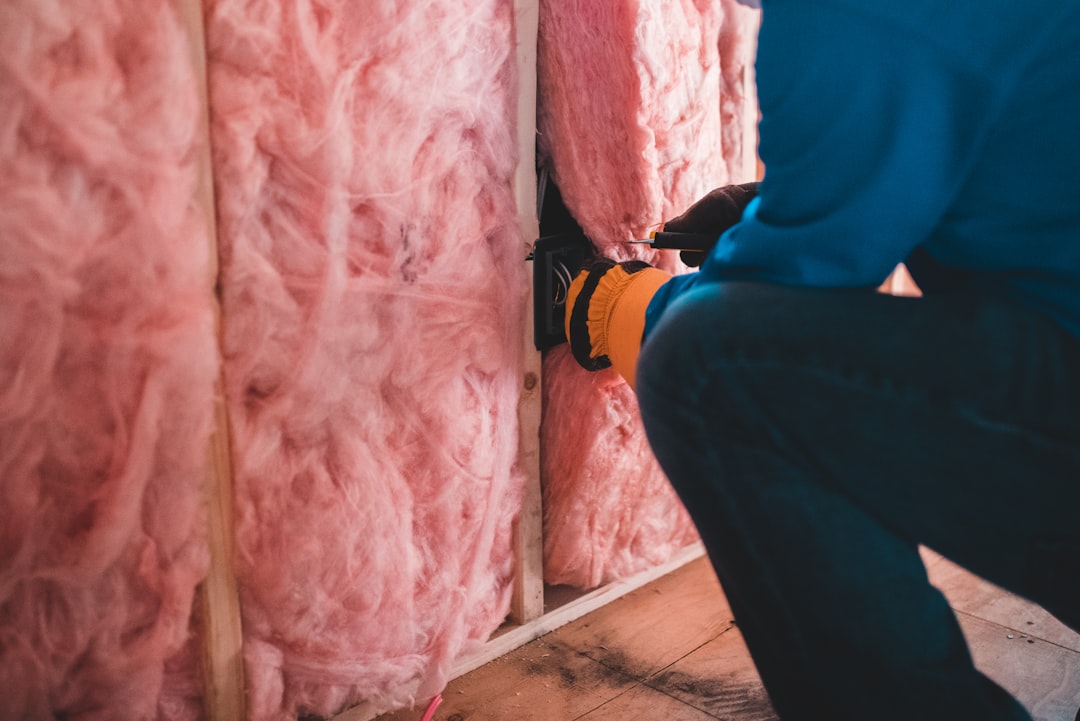
Once again, insulating your home properly can significantly reduce energy loss and lower your bills. By sealing drafts and adding insulation to walls, roofs, and floors, you can create an energy-efficient barrier that keeps the warmth inside during winter and the cool air during summer. This simple yet effective step helps maintain your comfort and cuts down on reliance on heating systems, ultimately saving you money.
Reduce heating costs
For those looking to reduce heating costs, consider investing in quality insulation materials. By improving your home’s insulation, you can retain heat more effectively, significantly lowering the amount of energy required to maintain a comfortable temperature. This not only results in lower fuel bills but also extends the lifespan of your heating system.
Maintain indoor temperature
To maintain your indoor temperature, invest in proper insulation to help keep your home comfortable year-round. Additionally, you might want to consider using draft excluders and heavier curtains to minimise heat loss during the colder months. A well-insulated home allows you to enjoy a stable indoor climate without over-relying on heating appliances.
Energy Saving Tips
| Tip | Description |
| Insulation Type | Choose the right materials like fibreglass, foam, or cellulose for optimal efficiency. |
| Sealing Gaps | Use caulk or weather stripping to seal any gaps around windows and doors. |
With proper insulation and minimal drafts, you can maintain a consistent indoor temperature efficiently. This means fewer temperature fluctuations, leading to a more comfortable environment and reducing the need for constant heating or cooling. This strategy not only conserves energy but also contributes positively to your home’s overall energy efficiency.
Indoor Temperature Maintenance Tips
| Action | Benefit |
| Use Thermostats | Set your thermostat to an optimal temperature for energy conservation. |
| Regular Maintenance | Check insulation and heating systems to ensure they are functioning correctly. |
Adjust Thermostat Settings
Your thermostat settings play a significant role in managing your energy bills. By simply adjusting the temperature a few degrees, you can significantly reduce your heating and cooling costs. This small change can contribute to substantial savings over time, making it an effective energy hack for any budget-conscious household.
Lower in Winter
With winter in full swing, consider reducing your thermostat setting to around 18°C. This adjustment can save you a considerable amount on your heating bills while still keeping your home comfortable. Layering up with warm clothes and using blankets can help you maintain that cosy feeling without cranking up the heat.
Raise in Summer
Assuming you want to keep your home cool during the warmer months, raising the thermostat to about 24°C can help you save on cooling costs. This slight adjustment allows your air conditioning unit to work more efficiently, reducing energy consumption while still providing a comfortable environment.
Raise your thermostat settings in summer to enjoy the benefits of lower energy bills. By allowing the indoor temperature to rise, you lessen the burden on your air conditioning system, resulting in decreased energy usage and lowered costs. Try using fans or keeping windows open during cooler evenings to enhance airflow, which can make the higher temperature feel more tolerable. Additionally, ensuring your home is well-insulated can help maintain a comfortable indoor climate without excessive reliance on air conditioning, further boosting your savings.
Utilize Natural Light
Unlike artificial lighting, which contributes to your energy bills, utilising natural light can significantly reduce your electricity consumption. By letting in sunlight during the day, you can brighten your living spaces without the extra financial burden. Adopting this simple habit not only lowers your bills but also enhances your mood and overall well-being.
Open Curtains
Natural light can transform your home’s atmosphere. By opening your curtains during daylight hours, you maximise sunlight, reducing the need for artificial lighting. This simple act not only contributes to energy savings but also promotes a more inviting and vibrant living space. Embrace the sunlight, and you’ll notice the significant impact on your bills.
Cut Down on Lighting
Curtains can certainly play a role in managing your light usage. During daylight hours, try to keep them drawn back to allow as much natural light in as possible. This practice ensures you make the most of the daylight and significantly reduces your reliance on electrical lighting.
With the increase in natural light from open curtains, you can cut down on your lighting needs significantly. This means using your lights only when it’s absolutely necessary, especially in rooms that don’t benefit from natural illumination. Additionally, switching to energy-efficient bulbs can minimise energy use even further. It’s important to be mindful of this, as too much reliance on artificial lighting can lead to higher electricity bills and unnecessary energy waste. Embrace the day’s natural illumination, and your finances will surely thank you.
Air Dry Clothes
Keep your energy bills lower by opting to air dry your clothes instead of using the dryer. Not only does this method reduce energy consumption, but it also extends the lifespan of your garments. Whether you hang them on a line or lay them flat, air drying can be an easy and effective way to save money while keeping your clothes fresh.
Save on dryer use
Little changes in your laundry routine can make a significant difference. By choosing to forgo the dryer and air dry your clothes, you can save money and reduce your carbon footprint. Plus, your clothes will thank you for the gentler drying method!
Energy-efficient method
Assuming you have the space, air drying is one of the most energy-efficient ways to dry your clothes. You can utilise natural sunlight and airflow to not only dry your laundry but also eliminate the need for electricity, which ultimately results in lower bills.
Plus, the benefits of air drying extend beyond just saving you money. When you air dry your clothes, you decrease the risk of damage and wear caused by the dryer’s heat. This gentle method helps preserve the fabric quality, colour, and shape of your garments, ensuring they last longer. Additionally, air drying can reduce the occurrence of static cling and wrinkles, giving your clothes a fresher appearance. Consider adding this simple practice to your laundry routine for sustainable savings!
Regular HVAC Maintenance
Despite the initial costs, keeping up with regular HVAC maintenance can significantly reduce your energy bills in the long run. By ensuring your heating and cooling systems are performing optimally, you can avoid larger repairs and inefficiencies that can drive up costs. A well-maintained system will run more efficiently, conserving energy and thus lightening your financial load.
Clean filters
You should check and clean or replace your HVAC filters regularly to ensure optimal airflow. Dirty filters can restrict airflow, making your system work harder and consume more energy. Clean filters not only improve indoor air quality but also enhance the overall efficiency of your HVAC system.
Improve efficiency
Regular minor adjustments and maintenance steps can significantly improve the efficiency of your HVAC system. This can include checking ductwork for leaks, ensuring vents are unobstructed, and scheduling annual professional tune-ups. These routine practices enhance your system’s performance and prolong its lifespan.
Maintenance of your HVAC system involves checking for any potential issues before they escalate, and ensuring it is operating at peak performance. You can achieve this by regularly inspecting all components, cleaning coils, and scheduling professional servicing annually. By doing so, you’ll not only prevent costly breakdowns but also ensure that your unit runs smoothly, reducing energy costs. A well-maintained system ultimately translates to lower energy bills and a comfortable living environment.
Limit Hot Water Use
Many households find that excessive hot water use significantly boosts their energy bills. By being mindful of your hot water consumption, you can easily save money and reduce your environmental impact. Implementing simple strategies, like reducing the temperature and frequency of use, allows you to enjoy the benefits of hot water while keeping costs in check.
Shorter Showers
With a few adjustments, you can dramatically decrease your energy use by taking shorter showers. Aim to limit your shower time to five or ten minutes, as this reduces both hot water consumption and the energy needed to heat that water. Consider setting a timer or using a water-saving showerhead to make this habit effortless.
Use Cold Settings
Limit your use of hot water in laundry by opting for cold settings instead.
This simple switch can lead to significant savings in both energy and water usage. Cold water generally requires less energy to heat, meaning your bills will benefit directly. Moreover, washing clothes in cold water is often just as effective at cleaning, while also protecting your fabrics from wear and tear. Additionally, using cold water can reduce the risk of colour fading, extending the life of your clothing. Embracing cold settings not only cuts costs but also contributes positively to the environment by reducing your overall energy consumption.
Final Words
With this in mind, implementing these 10 budget-friendly energy hacks can significantly impact your household expenses. By being mindful of your energy consumption and adopting simple strategies, you can keep your bills in check without sacrificing comfort. From optimising your heating to utilising efficient appliances, each adjustment contributes to a more sustainable and economical lifestyle. Take control of your energy usage today, and enjoy the benefits of lower costs and a greener environment.
FAQ
Q: What are some simple ways to reduce energy consumption in my home?
A: There are several straightforward strategies to help reduce energy consumption. Firstly, switching to energy-efficient LED bulbs can significantly lower electricity usage. Additionally, unplugging devices when not in use, as many electronics consume energy even in standby mode, can make a difference. Furthermore, using a smart power strip can help manage these devices efficiently. Lastly, ensuring that your home is well insulated can reduce the need for heating and cooling, ultimately leading to lower energy bills.
Q: How can I utilise natural light to save on energy costs?
A: Maximising natural light in your home can effectively reduce reliance on artificial lighting, thus saving on energy costs. You can achieve this by rearranging furniture to avoid obstruction of windows, using light-coloured curtains to reflect sunlight, and keeping windows clean to allow more light in. In addition, consider placing mirrors strategically to help reflect light around the room. Lastly, you might also explore options like installing skylights or solar tubes for additional natural lighting during the day.
Q: Are there any affordable methods to improve home heating efficiency?
A: Yes, there are several affordable methods to enhance heating efficiency in your home. Firstly, consider sealing gaps around windows and doors with weather stripping to prevent drafts. Using thick curtains can aid in retaining heat during colder months. Additionally, you can lower the thermostat a degree or two and dress warmly indoors. If applicable, regularly servicing your heating system ensures it operates efficiently. Lastly, strategically using ceiling fans to circulate warm air downwards can help maintain a comfortable temperature without increasing heating costs.


0 Comments