

Understanding Energy Efficiency Grants in 2026
Energy efficiency grants offer UK homeowners a fantastic opportunity to improve their properties whilst significantly reducing energy bills. In 2026, the landscape of available grants continues to evolve, with various schemes designed to help you insulate your home, upgrade heating systems, and adopt renewable energy solutions. Whether you’re looking to tackle draughty windows or install a heat pump, understanding what’s available could save you thousands of pounds.
The government recognises that energy costs remain a considerable burden for many households across the UK. That’s why there are multiple funding schemes available to make energy-efficient improvements more affordable. These grants can cover everything from cavity wall insulation to solar panels, helping you reduce your carbon footprint whilst lowering your energy consumption and bills.
Key Government Schemes Available in 2026
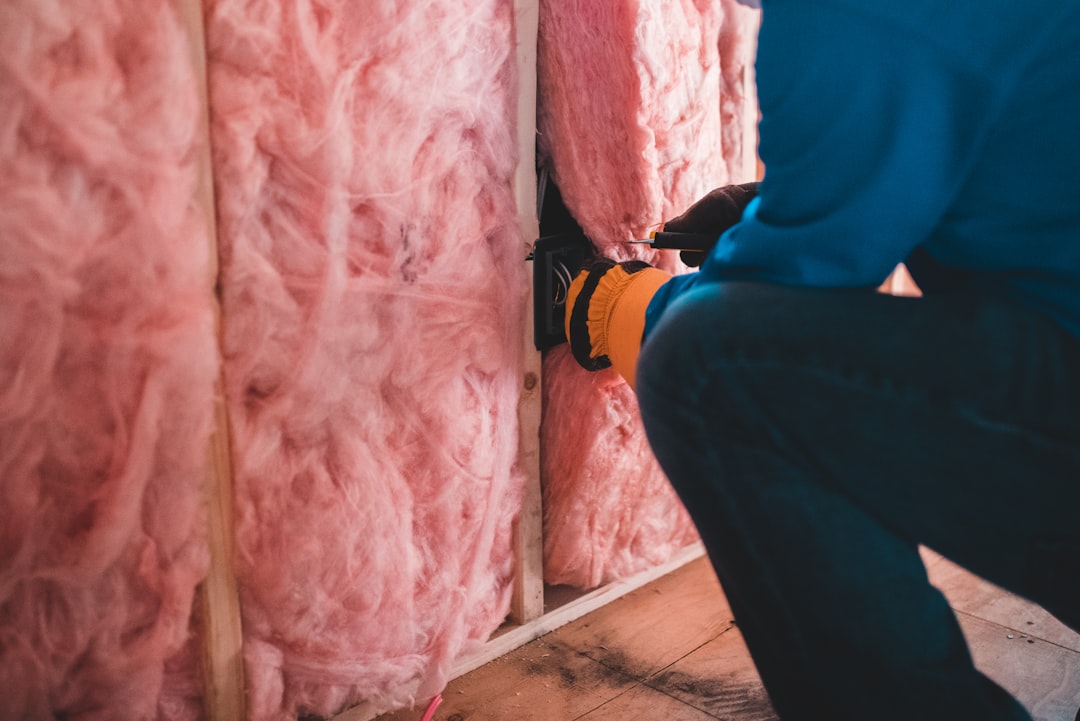
The primary schemes available to UK householders in 2026 include the Great British Insulation Scheme and various regional support programmes. The Great British Insulation Scheme provides grants for qualifying homes to improve insulation, with particular focus on cavity wall and loft insulation. This scheme remains one of the most accessible options for homeowners seeking free or heavily subsidised improvements.
Additionally, the Boiler Upgrade Scheme continues to support households replacing fossil fuel heating systems with renewable alternatives. If you’re considering switching from a gas boiler to a heat pump or biomass boiler, this scheme could contribute up to £7,500 towards the costs. This represents genuine value for money, especially when you consider the long-term energy bill savings from modern, efficient heating systems.
Local authority schemes also play a vital role. Many councils across England, Scotland, Wales, and Northern Ireland offer their own grants and support programmes. These vary by region but often provide additional funding on top of national schemes, making substantial home improvements genuinely affordable.
Check Your Eligibility for Energy Grants
Before applying for any grant scheme, you’ll need to determine whether your home qualifies. Most schemes have specific eligibility criteria based on factors including your property type, current energy efficiency rating, household income, and location. Generally, owner-occupied properties qualify, though some schemes also support private tenants.
Your property’s Energy Performance Certificate (EPC) rating is crucial. Many schemes target homes with lower EPC ratings, typically D to G. If you haven’t had your home assessed recently, obtaining an EPC is an essential first step. This costs around £60-120 and provides a detailed breakdown of your home’s energy efficiency, highlighting the most beneficial improvements you could make.
Income thresholds apply to some schemes, though many are available regardless of household income. It’s worth checking the specific requirements for each grant you’re interested in, as eligibility criteria can differ significantly between programmes. Contact your local council or visit the relevant government website to confirm whether your circumstances qualify.
Steps to Apply for Energy Efficiency Grants
The application process varies depending on which scheme you’re pursuing. For the Great British Insulation Scheme, you’ll typically need to register your interest online or through an approved installer. Most grants work through approved contractors rather than direct individual applications, so sourcing a qualified installer is usually the first practical step.
Gather essential documentation before applying, including your EPC, proof of property ownership or tenancy, proof of address, and relevant income documentation if required. Having these ready streamlines the application process considerably. You’ll also need to obtain quotes from approved installers, as these form part of your application.
Contact your local council about available schemes in your area. Council staff can explain local programmes, eligibility requirements, and application deadlines. Many councils provide free energy surveys to identify the most cost-effective improvements for your specific property, which proves invaluable when prioritising work.
Making Your Application Strong
When applying, be thorough and honest in your responses. Scheme administrators verify information carefully, and providing accurate details prevents delays or rejections. If your application is incomplete, it may be rejected or returned for corrections, delaying your project timeline.
Provide detailed information about your current energy situation. Explain why you’re seeking improvements and how they’ll benefit your household. Include your most recent energy bills, which demonstrate your consumption patterns and current costs. This context helps assessors understand your circumstances and may strengthen your application.
If applying for multiple schemes, ensure you’re not claiming for the same work twice. Most schemes have rules preventing double-funding. Your installer or council can advise on correctly combining different grants to maximise your available funding without breaching these regulations.
Maximising Your Grant Funding
Strategic planning helps you get maximum value from available grants. Rather than spreading work across multiple projects, concentrating improvements often triggers higher grant levels. For instance, combining loft insulation with cavity wall insulation may attract better funding than applying separately.
Consider the long-term savings each improvement offers. Whilst cavity wall insulation might have lower upfront costs, heat pump installation typically delivers greater annual bill reductions despite higher initial investment. Factor in both the grant contribution and projected savings when prioritising projects.
Don’t overlook smaller schemes and local initiatives. Many councils and housing associations run targeted programmes addressing specific needs. Rural properties, for example, often have access to dedicated grants, as do properties off the mains gas grid.
Timeline and Next Steps
Scheme funding is often limited and allocated on a first-come, first-served basis. Applying promptly rather than delaying maximises your chances of securing funding, particularly later in the grant year when budgets deplete. Some schemes also have seasonal variations, with different priorities at different times of year.
After your application is approved, work with your approved installer to schedule improvements. Installation timescales typically range from a few weeks to several months, depending on project complexity. Your installer handles the grant paperwork, though you’ll need to verify the work meets specified standards.
Once improvements are complete, you’ll receive formal confirmation and may be eligible for follow-up grants if further work is planned. Your improved EPC rating also demonstrates your property’s enhanced efficiency, beneficial when selling or letting your home.
Take Action Today
Energy efficiency grants represent a genuine opportunity to reduce your household’s energy bills whilst improving comfort and environmental impact. Don’t miss out on 2026’s available funding. Visit your local council’s website, request an EPC assessment, and contact approved installers for quotes today. The sooner you apply, the sooner you’ll enjoy lower energy bills and a more efficient home. Start your energy efficiency journey now and take control of your household expenses.

0 Comments