
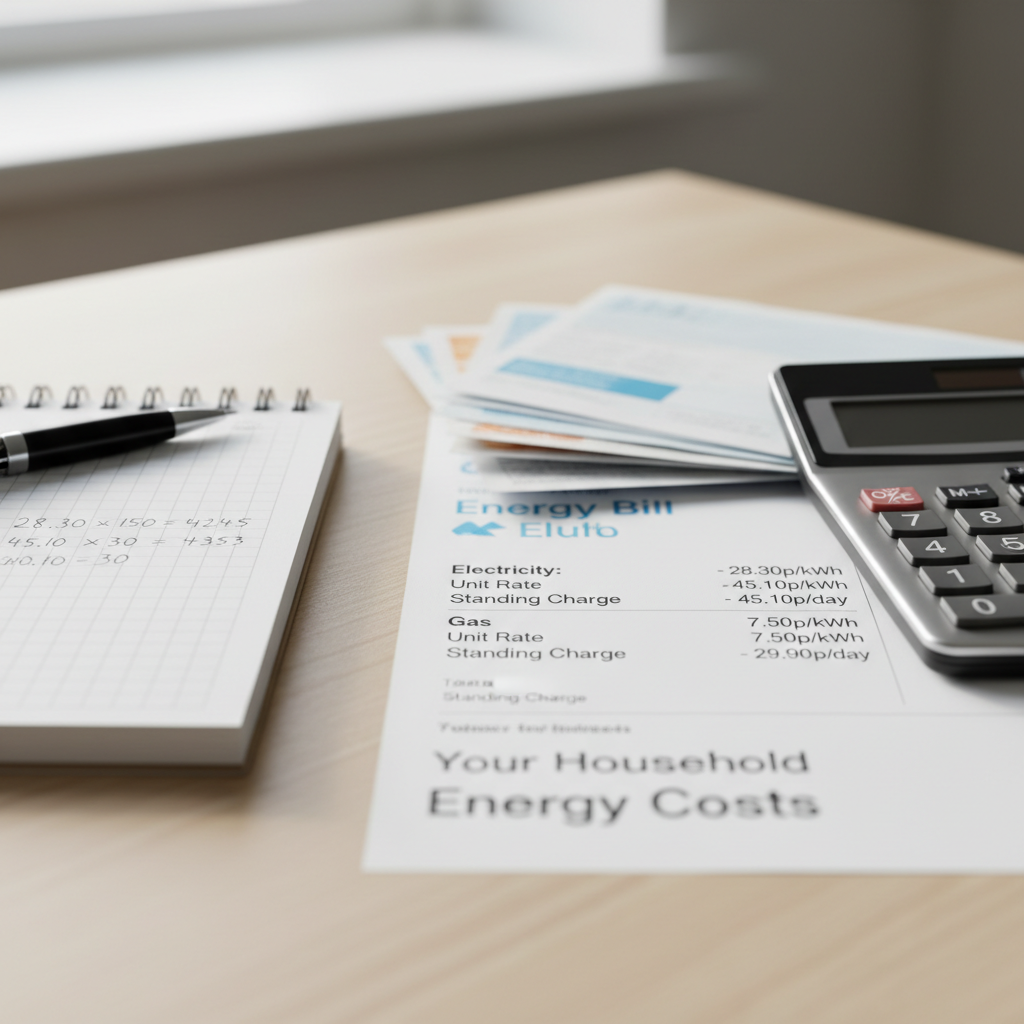
Energy switching can save UK households hundreds of pounds a year — but not all deals are created equal. Some tariffs that look great at first glance come with catches that can leave you worse off. Here’s how to read between the lines and make sure any deal you’re considering is genuinely worth switching to.
Watch Out for Short Introductory Rates
Some suppliers offer a very attractive unit rate for the first few months, which then reverts to a much higher standard rate. The headline price looks great, but if you’re locked in after the introductory period expires, you could end up paying more than you would have on your existing tariff.
Always ask: what is the rate after the introductory period? And is there an exit fee if you want to leave once the initial period ends?
Check the Exit Fees
Fixed-rate tariffs often come with exit fees — typically £25–£50 per fuel — if you want to switch before the end of the fixed term. This isn’t necessarily a dealbreaker, but it’s worth knowing. If the saving over the term is significant, an exit fee is fine. If you might need flexibility (moving house, for example), a tariff with no exit fees is preferable.
Compare the Full Annual Cost, Not Just the Unit Rate
A low unit rate can look compelling, but if the standing charge is significantly higher, the overall cost may be worse. Always calculate the total annual cost based on your actual usage — most comparison sites will do this automatically, but it’s worth double-checking the inputs are correct.
Verify the Supplier’s Track Record
The UK energy market has seen a number of supplier collapses in recent years. While your supply is protected if a supplier goes under (Ofgem will transfer you to a new supplier), the process can be disruptive and you may temporarily lose access to online account management.
Before switching to an unfamiliar supplier, check their Trustpilot or Which? reviews. A supplier with hundreds of recent complaints about billing errors or poor customer service may not be worth the saving.
Beware of Deals That Aren’t Regulated
All UK energy suppliers must be Ofgem-licensed. If someone approaches you with an “energy deal” that isn’t from a recognised, Ofgem-registered supplier — whether door-to-door, by cold call, or online — treat it with extreme caution. Legitimate energy companies don’t typically conduct high-pressure sales in this way.
Use Ofgem-Accredited Comparison Sites
For confidence that you’re seeing the full market and comparing deals fairly, use comparison sites that are accredited under Ofgem’s Confidence Code. These sites are required to show you all available tariffs, not just those where the site earns a commission.
Ready to cut your energy costs? Compare deals today and see how much you could save.


0 Comments