
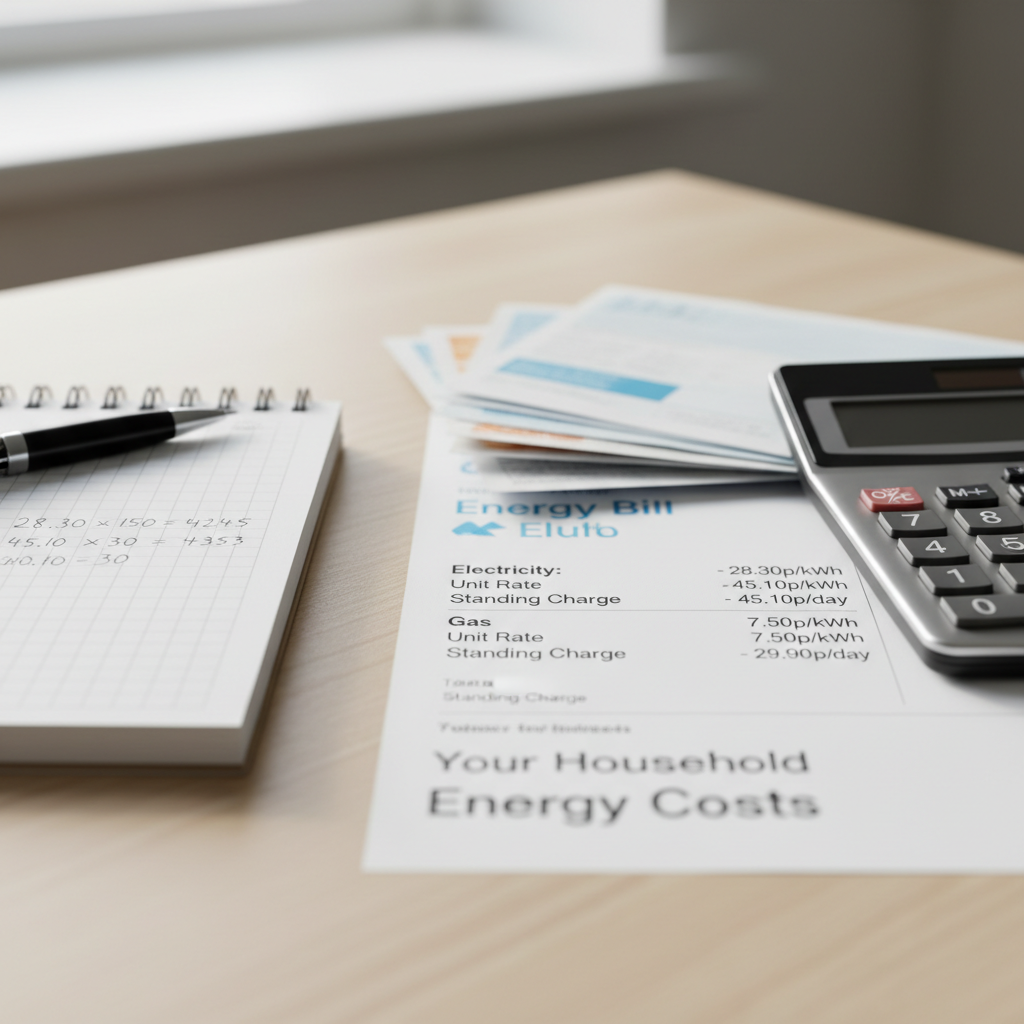
It’s one of those frustrating conversations: your neighbour mentions their energy bill and it’s noticeably lower than yours. Same street, similar-sized houses — so why the difference? The answer is usually a combination of factors, and most of them are fixable.
You’re on Different Tariffs
This is the most common explanation. If your neighbour switched to a competitive fixed deal at the right time and you’ve been sitting on a standard variable tariff, the price difference can be substantial. The Ofgem price cap sets a maximum for default tariffs, but fixed deals can sometimes beat that — especially if locked in before a price cap rise.
Check your current tariff name and unit rate on your bill. Then compare it against what’s currently available on an accredited comparison site. If you haven’t switched in the last year or two, there’s a good chance you’re paying more than you need to.
Different Levels of Insulation
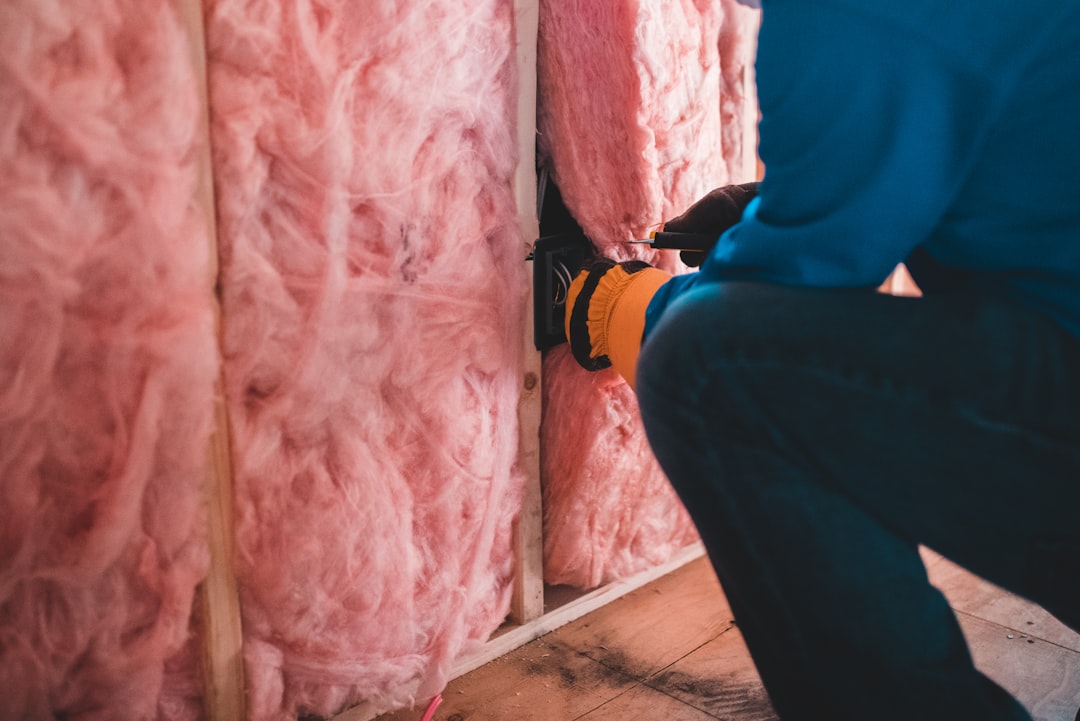
Even houses built in the same era on the same street can have very different insulation levels depending on what individual owners have done over the years. Loft insulation, cavity wall insulation, double glazing, draught-proofing — each of these reduces how much energy is needed to keep the house warm. If your neighbour has had cavity wall insulation installed and you haven’t, that alone could account for a significant difference in heating costs.
Boiler Age and Efficiency
An older boiler (pre-2010, say) operates at around 70–80% efficiency. A modern condensing boiler runs at 90%+ efficiency. The difference in gas usage between the two for the same heat output is meaningful. If your neighbour had their boiler replaced recently and yours is ageing, this could easily explain a 15–20% difference in gas bills.
Household Habits and Occupancy
How many people are in the house, when they’re home, how warm they keep it, how often they cook, whether they work from home — all of these affect energy consumption. A household where everyone is out during the day will typically use considerably less energy than one where someone works from home full-time.
Smart Meter and Direct Debit Accuracy
If your neighbour has a smart meter and you’re still on estimated readings, your bills may not reflect your actual usage — and you could be building up debt or credit without realising. Getting a smart meter fitted (it’s free through your supplier) ensures your bills are always accurate.
What to Do About It
- Check your tariff and compare — switch if you can save
- Book a free EPC (Energy Performance Certificate) assessment to identify insulation gaps
- Check whether you qualify for any insulation grants through the ECO4 scheme
- Have your boiler serviced annually to maintain efficiency
- Get a smart meter fitted if you haven’t already
Ready to cut your energy costs? Compare deals today and see how much you could save.

0 Comments