

Nobody wants to sit in a cold house wearing three jumpers to save money. Reducing your gas bill in 2026 is about precision and efficiency — making sure every unit of gas you pay for actually heats your home, rather than disappearing through gaps, inefficient boilers, and poorly timed schedules.
Lower Your Boiler Flow Temperature
Your boiler’s flow temperature is one of the most impactful settings most UK households have never touched. Most installers set this to 80°C, but modern condensing boilers work most efficiently at 55-60°C. Dropping to 60°C can reduce gas consumption by 8-12% with no change in comfort. If you want to find the cheapest utility provider, it only takes a few minutes.
Balance Your Radiators for Free
If some rooms are too hot and others cold, your system is unbalanced. Balancing the lockshield valve on each radiator ensures even heat distribution and stops the boiler overworking. It costs nothing — just a radiator key and 30 minutes — and reduces gas use noticeably.
Smart Thermostats vs Traditional Programmers
Traditional programmers heat your home on a fixed schedule regardless of whether you’re there. Smart thermostats like Nest, Hive, or tado learn your patterns and adjust automatically. The average UK household saves £130-£180 per year after switching, according to the Energy Saving Trust 2025 figures. tado’s geofencing turns heating down when everyone leaves and pre-heats before anyone returns. You can also compare utility providers to see what’s available.
Compare Standing Charges, Not Just Unit Rates
In 2026, standing charges vary between suppliers even within the Ofgem cap framework. If your home uses under 8,000 kWh of gas per year, a low-standing-charge tariff could save you £60-£100 annually. Always check both numbers when comparing.
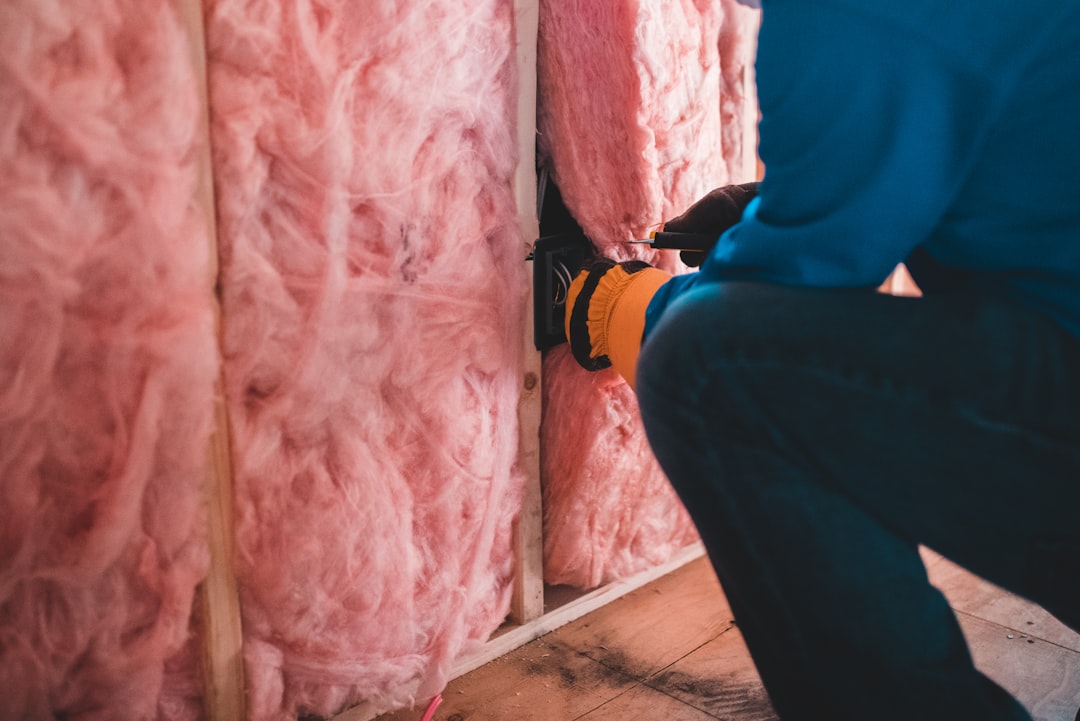
Quick Insulation Wins
- Draught-proofing: Under £50 in materials, saves up to £45/year on gas
- Loft insulation top-up: To 270mm depth can save £150+/year. ECO4 grants available
- Thermostatic radiator valves: Fit to every radiator except the one with your room thermostat — can cut gas use by 10%
Ready to cut your energy costs? Compare deals today and see how much you could save.

0 Comments